
Resources from Tenovos
Browse a curated collection of resources, research, and best practices provided by internal and external experts in the field of Digital Asset Management
Latest













eBook & Report
Timeless Advice for DAM Productivity
eBook & Report
Future Shocked: DAM's Bleeding Edge vs. Its Archaic Past
eBook & Report
The Forrester Wave: Digital Asset Management, 2022
eBook & Report
eBook & Report
eBook & Report
The Creative Enterprise Report 2022 (PDF)
eBook & Report
eBook & Report
Conquering the Storytelling Lifecycle (PDF)
No resources match those filters. Try resetting, or talk to us about what you're looking for.
Digital asset management questions, answered
What is digital asset management (DAM)?
Digital asset management (DAM) is how brands master, version, and protect their assets throughout the content lifecycle. It covers content operations: ingesting, organizing, and managing assets with intelligent search, auto-tagging, and user-based permissions, so teams always work from content that's governed, compliant, and trusted. As content scales, governance can't be an afterthought. Go deeper: Do I Need a DAM? and DAM vs. CMS.
What is content intelligence?
Content intelligence is the use of artificial intelligence (AI) software and analytics to understand the content you have and how it performs so you can improve future content decisions and outcomes. It spans content visualization, content utilization, and content effectiveness: seeing all your content wherever it's managed, understanding what's being used and what's being wasted, and discovering what's working, why it's working, and how to optimize for greater impact. Go deeper: What is Content Intelligence? and the complete guide.
What is the difference between a DAM and a CMS?
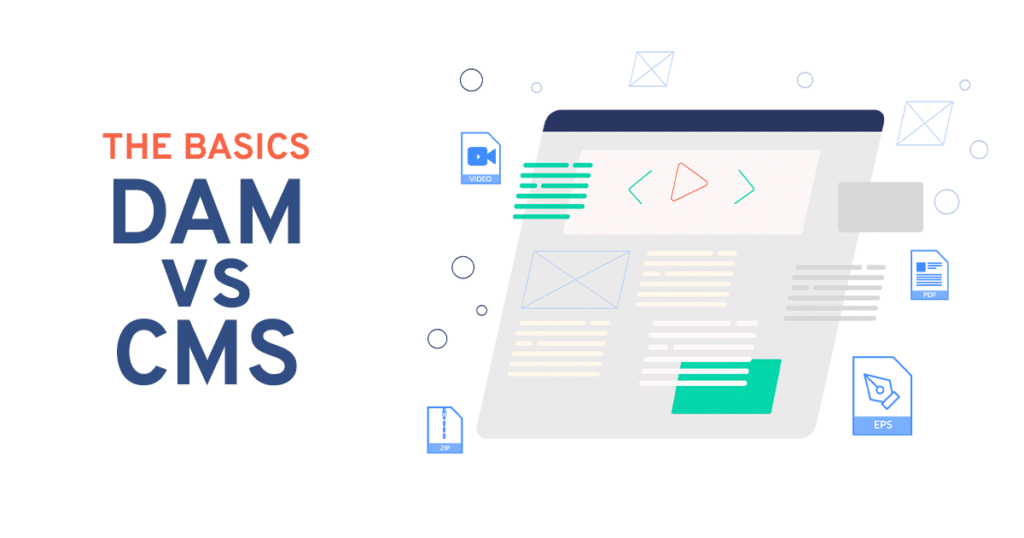
A DAM masters, versions, and protects the assets themselves along with their rights, metadata, and usage history. A CMS manages the pages and experiences those assets appear in. The DAM is the single source of truth; the CMS is one of many channels you activate content into. Most enterprises connect both so governed, approved content flows automatically into web, commerce, and campaign systems. Go deeper: The Basics: DAM vs. CMS.
How do I choose the right DAM platform?
Start from your use cases rather than a feature list: centralize and share brand assets, automate workflows and processes, govern global rights and licensing, empower sales teams and partners, activate content across channels, and measure content performance. Score vendors against those requirements, test with your own assets and metadata, and confirm it integrates with your existing MarTech stack. Go deeper: Vendor Evaluation Guide and the RFP Template.
How do you prove the business value of content?
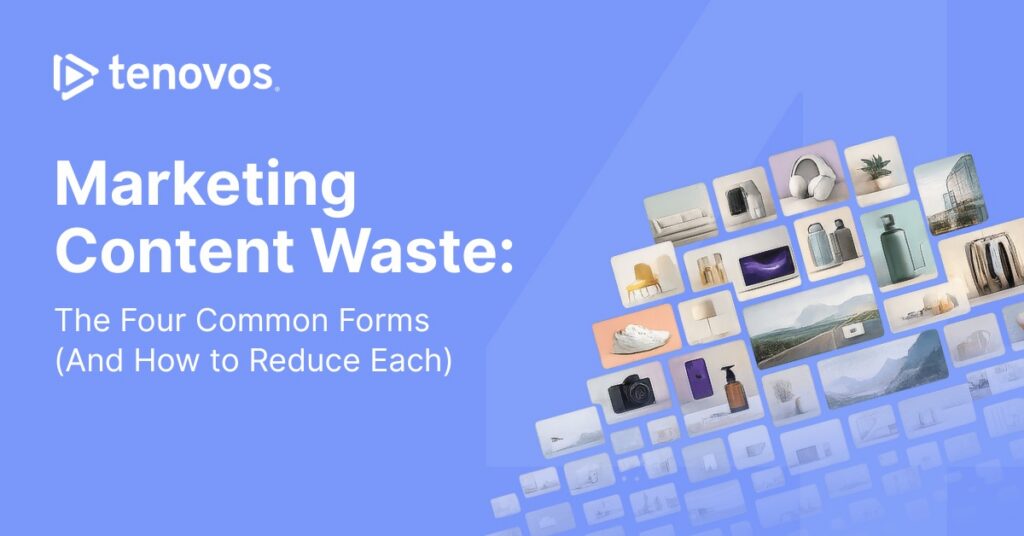
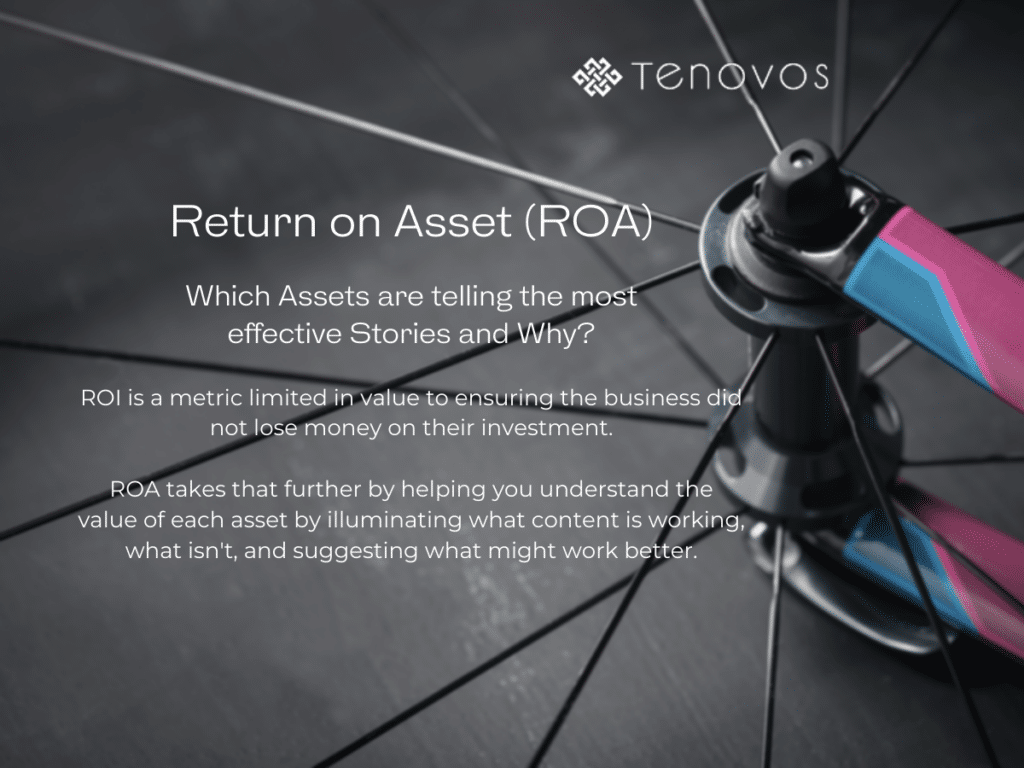
You're investing significant resources in content creation, so proving its value means gaining complete visibility into where your content resides, how it's being used, and where it's generating engagement. Track which content is most utilized, identify unused content and content waste, measure channel performance, and apply content value scores to optimize audience impact and drive greater business results. Go deeper: Marketing Content Waste and Return on Asset (ROA).
Do I have to migrate my content to get visibility into it?
No migration required. Content can be unified across every source into a single AI-enriched visual context layer, so teams can find and activate content the moment they need it without first consolidating systems. That means visibility across content wherever it's managed today, rather than a migration project before you see any value. Go deeper: Your DAM Isn't the Problem and Simple Steps for a Successful DAM Migration.
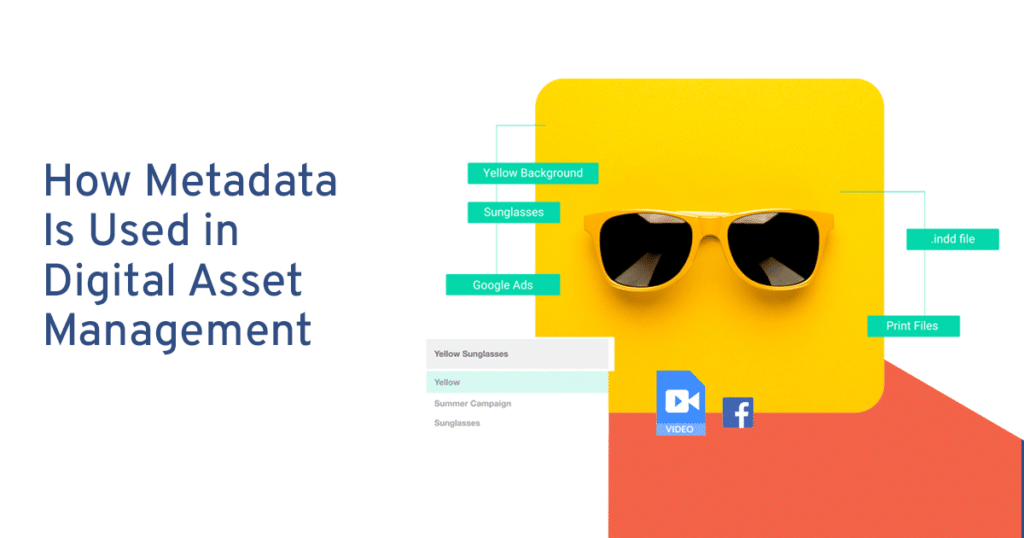
What is metadata in digital asset management?
Metadata is the structured information attached to an asset: what it shows, who created it, where it can be used, when its rights expire, and how it has performed. Metadata is what makes content surface effortlessly and stay governed at scale. AI enrichment and auto-tagging handle the busywork of applying it, while the taxonomy your teams agree on determines whether people actually find what they need. Go deeper: What Is Metadata in DAM? and the inclusive metadata guide.